
4 Tips To Keeping Your Jackson’s Chameleon Happy
Jackson’s chameleons are a favourite species among enthusiasts, and there are more than 200 different chameleon types on the planet.

Chameleon Care
Comprehensive guides on keeping your chameleon happy and healthy, covering nutrition, habitat, and general well-being.
Written by Buck Moore, who has kept and bred chameleons in the States, South Africa, Malaysia and the UK since his teen years.
Jackson’s chameleons are a favourite species among enthusiasts, and there are more than 200 different chameleon types on the planet.
A look at the feeder insects that make up the cream of the crop for your scaly buddy’s dietary requirements.

What an outdoor setup can add to the daily life and well-being of a chameleon in your care.

Practical habits that help a chameleon settle in and stay well in captivity.
Vitamin A and supplementation are commonly asked-about topics, so this guide walks through the details.

Where humidity fits into chameleon husbandry, and when a humidifier is worth considering.
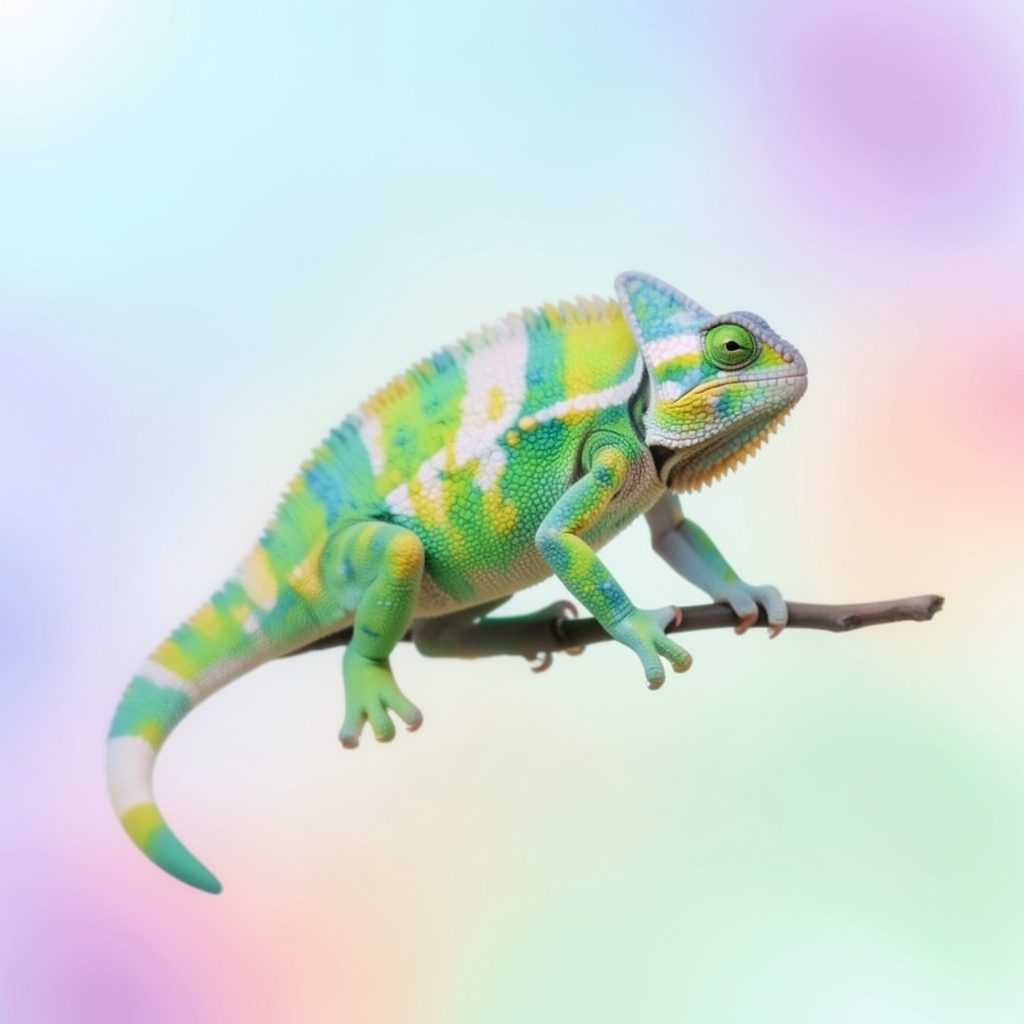
Signs in behaviour and appearance that tell you your chameleon is content and comfortable.

Habitat, food and general well-being are the three areas most chameleon owners ask about. Getting the basics right — a suitable cage, the right feeder insects, correct vitamin supplementation and stable humidity — makes the daily routine of keeping a chameleon far easier.
Browse the rest of the library for deeper dives into each area: feeder insects and diet in the food section, individual species profiles in the species section, and cages, humidifiers and other supplies in the toys section.
Chameleon Food · Chameleon Species · Chameleon Toys
Chameleon care is less about a single rulebook than a long conversation between keeper, animal, and enclosure. Every species has its own personality, and the ones most often chosen as pets — veiled, panther, Jackson's — each reward careful observation of eating, basking, and movement. Building a habitat that matches the way your particular chameleon behaves in the wild is the surest path to keeping it healthy, and the information gathered here is intended as a starting point rather than a substitute for watching your lizard closely every day.
Nutrition, hydration, and temperature shape the daily rhythm of a captive chameleon more than anything else. Feeder insects vary in value, and learning which ones to offer, how often, and with what supplementation helps support a steady diet. Misting, humidity levels, and the arrangement of branches and foliage affect how comfortable an animal feels, and a chameleon that hides, refuses food, or stays dull is often telling you something about its surroundings that can be corrected before serious problems develop.
Raising chameleons well is a craft built on experience, and the shared knowledge of dedicated keepers can make the difference between a short-lived pet and a companion that thrives for many years. Articles on this site are written from years of keeping and breeding chameleons across different countries, covering species profiles, feeder choices, cage design, and the small daily habits that prevent common mistakes. Reading widely, comparing notes, and adjusting gradually tends to produce the healthiest results for the animals in your care.
Start with the question that brought you here.
| Question | Guide |
|---|---|
| How do I keep my Jackson’s chameleon happy? | 4 Tips To Keeping Your Jackson’s Chameleon Happy |
| What should I feed my chameleon? | The Best Chameleon Feeder Insects |
| Does my chameleon need vitamins? | Do Chameleons Need Vitamin A? |
| Should I use a humidifier? | Do Chameleons Need a Humidifier? |
| Is an outdoor enclosure worthwhile? | The Benefits Of An Outdoor Reptile Enclosure |
| How do I know my chameleon is content? | How Do I Know If My Chameleon is Happy? |
Free guidance for chameleon keepers, covering the research and experience behind better care for these wonderful creatures.