
The Best Cage For A Chameleon
A guide to choosing a chameleon cage and the features worth considering for your setup.
Chameleon Toys
Explore practical articles about chameleon habitats, lizard cages, reptile humidifier misters, and other essential supplies.
Detailed articles to help you compare enclosures and consider the equipment your chameleon may need.
A guide to choosing a chameleon cage and the features worth considering for your setup.
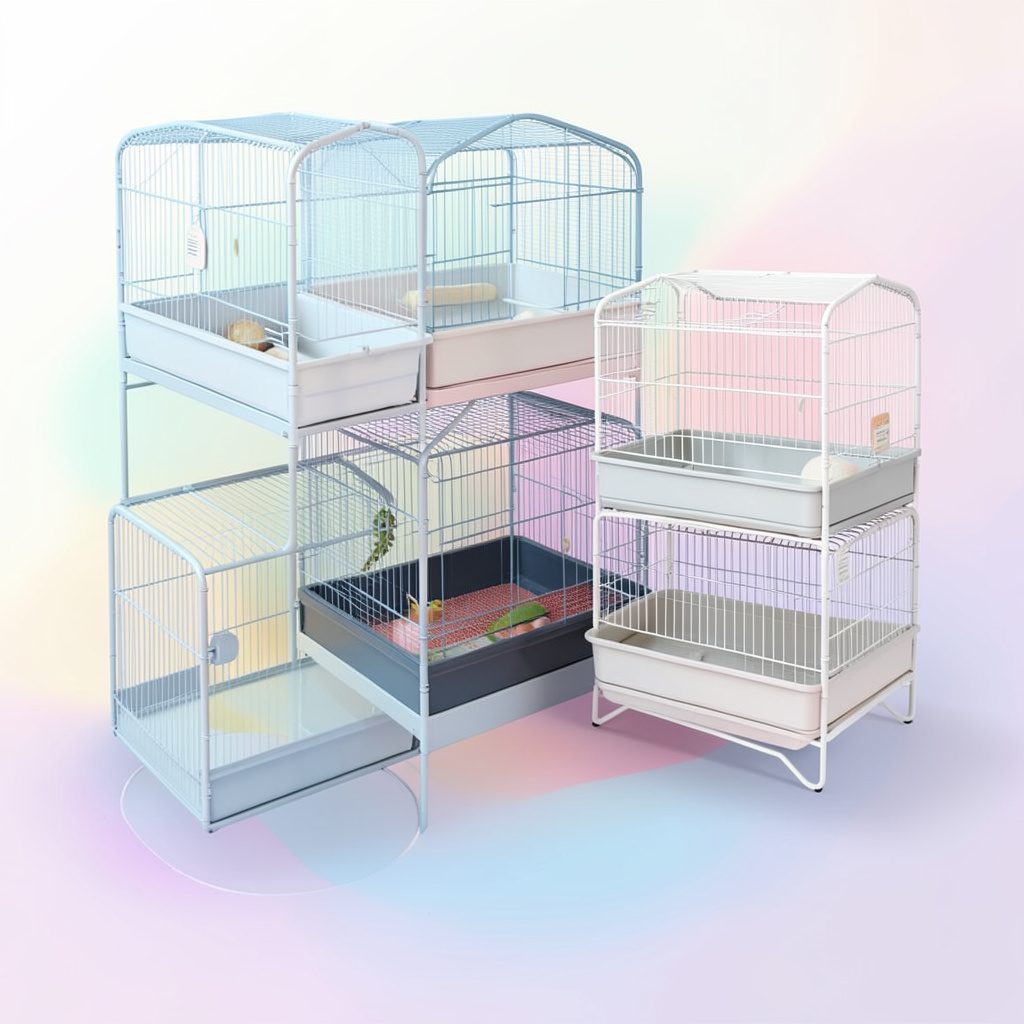
Compare four stackable reptile cage options and the practical considerations around each one.

Review three reptile humidifier misters and the enclosure needs to consider before choosing one.

Consider whether a 40-gallon reptile tank suits a lizard or chameleon and how enclosure requirements affect that choice.
Keep learning: For nutrition, nutrition, and general well-being information, visit Chameleon Food and Chameleon Care.
Choosing the right cage is one of the most important decisions a new chameleon owner can make, since a well-designed enclosure shapes nearly every aspect of daily life. Size, screen versus solid materials, ventilation patterns, and how the interior can be arranged all influence how comfortably a chameleon moves, hunts, and regulates temperature. A cage that suits one species may not suit another, so understanding your chameleon's climbing and feeding habits helps narrow the options before you buy.
Stackable reptile cages appeal to keepers who want the flexibility of expanding their collection without sacrificing room, and they can be a practical answer for animals that need vertical space. When comparing options, consider the overall height, the weight of the frame, and whether doors and access points make feeding and cleaning straightforward. Good airflow matters just as much as footprint, and the way a cage holds humidity can determine how often adjustments are needed.
Humidity is a quiet but critical factor in chameleon husbandry, and reptile humidifier misters are among the most commonly reached-for pieces of equipment. Misters help maintain the moisture levels many species need in order to drink and stay comfortable, but the best results come from combining them with proper plant cover, ventilation, and a reliable hygrometer. Learning how to read and react to conditions inside the enclosure keeps your chameleon healthy over the long term.
Toys and enrichment add much more than fun to a chameleon's day. Climbing structures, branches, feeding stations, and objects that encourage natural exploration give a chameleon opportunities to exercise, hunt, and use its tongue in the way it was designed to. Rotating a few enrichment items keeps the environment interesting and provides the mental stimulation that helps reduce boredom and stress in captivity.
Keeping a chameleon healthy is largely a matter of small, consistent habits rather than dramatic interventions. Fresh water, appropriate food, correct temperatures, and a well-set enclosure with the right plants and humidity all work together, and each one supports the others. Owners who learn to notice subtle changes in behavior, appetite, and appearance are usually the first to catch a problem early, and that attentiveness is what allows a chameleon to live many healthy years.