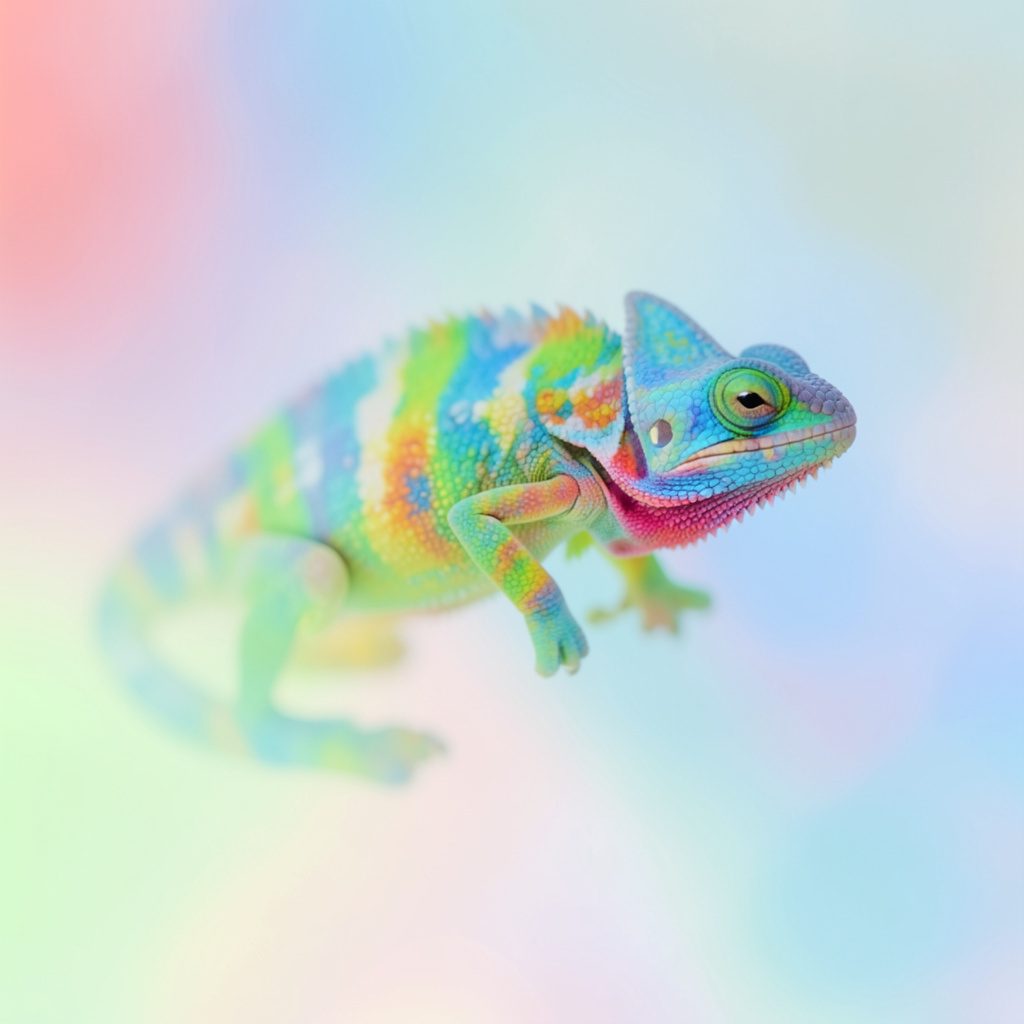
Why Is My Chameleon Changing Color?
Colour shifting is one of the most recognisable chameleon traits, and it happens for several reasons beyond decoration. Here is what those changes can mean.
Chameleon Facts
Straightforward answers to the questions keepers ask most often: why a chameleon changes colour, which species is the smallest, and what sounds they actually make.
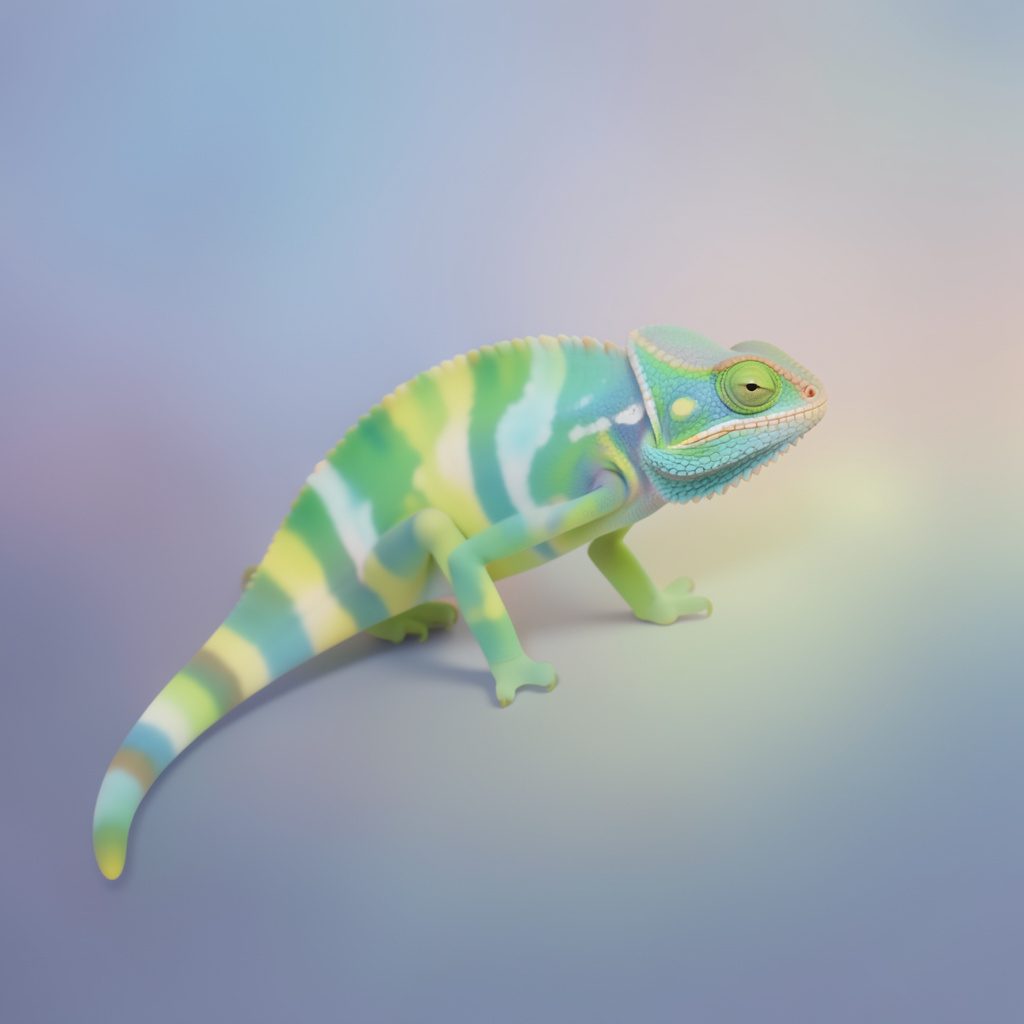
Chameleons are full of surprises, and a lot of that surprise comes from behaviour people have never seen before. Colour shifts, unusual sounds, and record-breaking small species all show up repeatedly in keeper questions.
The articles collected here answer those questions in plain language, with practical notes you can use when checking on a chameleon day to day. When a question needs more depth, the related care and species sections cover housing, feeding, and individual species profiles.
Written by Buck Moore, who has kept and bred chameleons since his teen years in the States, South Africa, Malaysia and the UK.
Chameleons are among the most distinctive reptiles kept as pets, and much of their mystery comes down to ordinary behaviour that is rarely observed closely. Colour shifting, for instance, is not simply camouflage but a form of communication used to signal mood, temperature and readiness to a mate. Their independently moving eyes give them an almost panoramic view of their enclosure, letting them spot prey and notice movement from nearly every direction. Even the sounds they make carry meaning, and keepers who learn to read those subtle cues are better placed to spot early signs of stress before illness takes hold.
Responsible chameleon keeping begins with understanding the needs of the individual species, since requirements differ noticeably between types such as veiled, panther and Jackson's chameleons. Enclosure size, humidity levels, temperature gradients, branch structure and feeding routines all shape how healthy a chameleon stays over the long term. Providing appropriate furnishings, a reliable humidifier and a varied diet helps support the natural behaviours that keep a lizard active and engaged. Owners who take the time to build proper care habits from the start give their chameleons the best chance of living many years in captivity.
Start here for the questions new keepers search for most often.
Colour shifting is one of the most recognisable chameleon traits, and it happens for several reasons beyond decoration. Here is what those changes can mean.
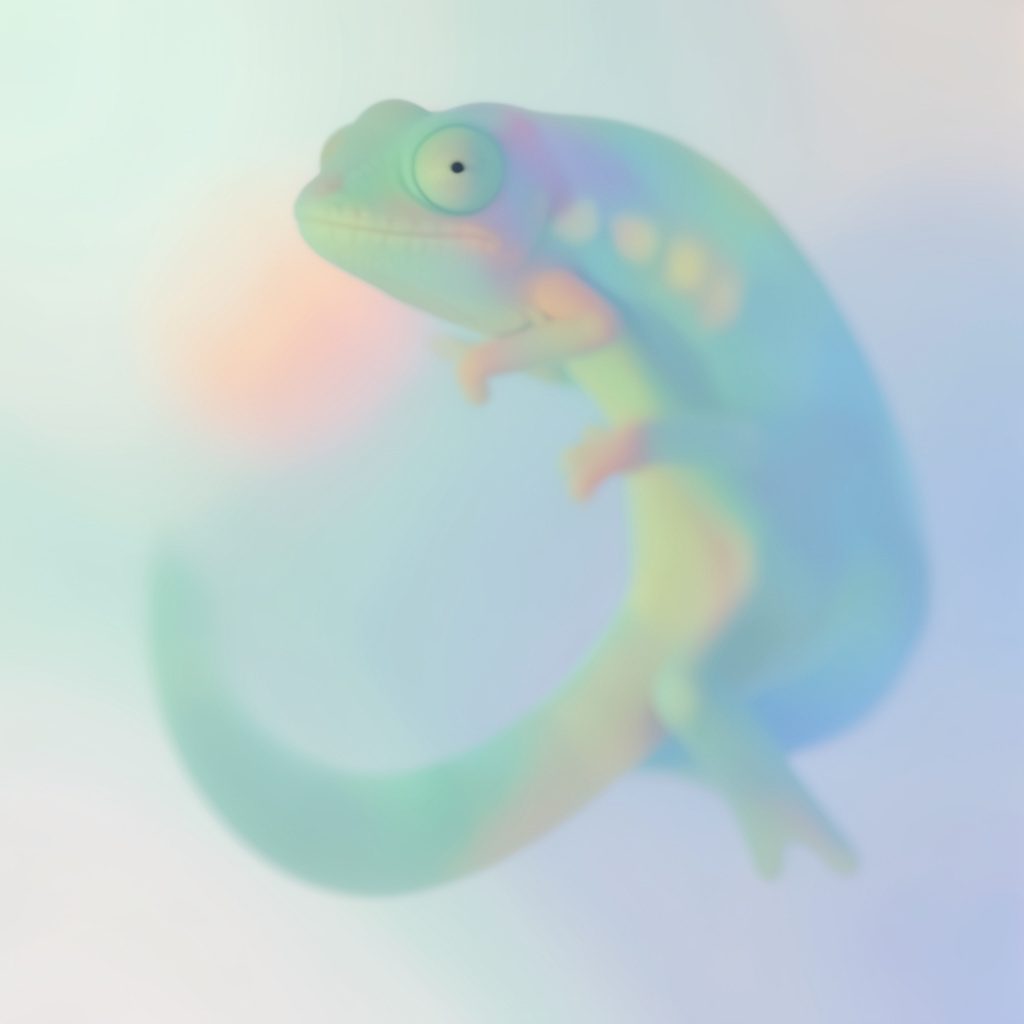
They are not silent animals. A closer look at the clicks, hisses and other sounds a chameleon can produce, and what each one signals.

From the tiny pygmy chameleon to the larger species most people picture, this is how chameleon sizes compare to one another.
Origins, appearance and temperament of the stump tailed chameleon, a species with a distinctive short tail.
Posted September 23, 2024. A 40 gallon tank is a common reptile enclosure size, so what works for a lizard or chameleon inside one?
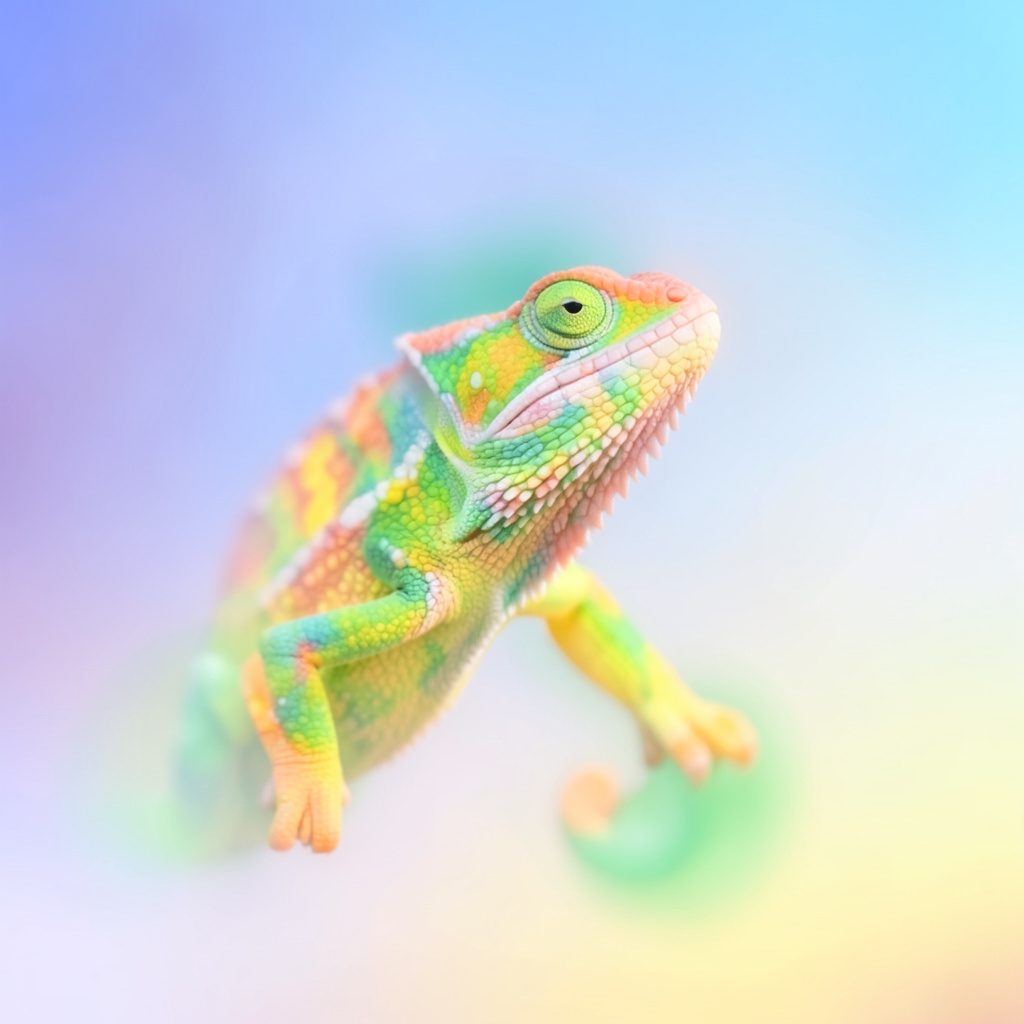
An honest look at keeping chameleons as companions, including the time and handling they need.
A few quick reference points to keep alongside the rest of your reading.
| Topic | Question | Where to read |
|---|---|---|
| Colour change | Why is my chameleon changing colour? | Chameleon Facts |
| Species size | What is the smallest chameleon in the world? | Chameleon Species |
| Sounds | Do chameleons make noise? | Chameleon Facts |
| Husbandry | Daily care, feeding and wellbeing | Chameleon Care |
| Supplies | Cages, misters and other equipment | Chameleon Toys |
My knowledge and research, gathered into a free guide so you can give your chameleon the healthiest life and avoid the number one cause of death of chameleons in captivity.